(888) 519-2871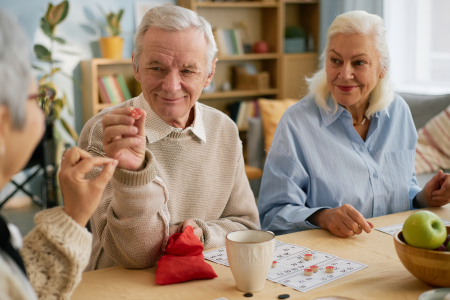
Aging is often accompanied by a quiet fear: the fear of losing one’s cognitive sharpness. Memory lapses, slower processing, and the ever-present concern about dementia can weigh heavily on both individuals and their families. But what if growing older didn’t have to mean a fading mind?
In an episode of Boomers Today, host Frank Samson welcomed gerontologist Patricia Faust to discuss just that — how we can slow the aging brain and, more importantly, stay mentally vital well into our later years. Faust, an expert in brain health and aging, brings decades of experience and a refreshing optimism to the conversation.
Neuroplasticity: The Brain’s Built-In Advantage
“The brain is capable of change throughout our entire lives,” Faust explained. “Neuroplasticity means we can form new neural pathways — even in our 80s or 90s. That’s incredibly empowering.” Her insights paint a far more hopeful picture of aging than the one we’re often given. While it’s true that some decline in processing speed and memory can occur with age, Faust is quick to clarify that significant cognitive decline isn’t a given. In fact, the choices we make every day play a major role in determining how our brains age.
Lifelong Learning and Mental Stimulation
One of the most impactful ways to protect brain health, she says, is by staying mentally active. But not just with puzzles and crosswords. Faust encourages learning new skills — something that stretches the mind in unfamiliar ways. “Learning a new language, picking up a musical instrument, even trying out a new hobby — these aren’t just fun. They’re crucial for brain stimulation,” she said. These kinds of novel, challenging experiences keep the brain agile, sparking the formation of new connections and helping maintain overall cognitive function.
Movement Matters: The Body-Brain Connection
Faust also emphasized the deeply interconnected nature of brain and body. Regular physical activity, a balanced diet, quality sleep, and managing stress all support cognitive function. “Exercise increases blood flow to the brain and helps improve memory and executive function,” she noted. Even moderate aerobic activity, such as walking or swimming, can make a difference. Physical health habits work together to support mental clarity and memory, creating a holistic path to aging well.
The Power of Social Connection
Beyond physical habits, Faust brought attention to something we don’t always associate with brain health: relationships. As people age, social connections can dwindle, and isolation can quietly set in. But loneliness is more than just a feeling — it can be a risk factor for cognitive decline. “Social engagement keeps the brain working,” she said. “It exercises our emotional intelligence, memory, and communication skills. We need meaningful interaction to keep our brains vibrant.” Simple connections — like talking with a friend, joining a group, or volunteering — can stimulate the brain in powerful ways.
Mindset and Purpose: An Overlooked Brain Booster
Perhaps the most striking part of Faust’s message was her emphasis on mindset. While lifestyle and habits are essential, how we think about aging also plays a role in brain health. “People who have a sense of purpose and maintain a positive outlook are more resilient to age-related changes in the brain,” she explained. It turns out that optimism isn’t just good for the soul — it’s good for the brain too. Cultivating purpose, gratitude, and curiosity helps build emotional and cognitive resilience.
An Empowering Message for Aging Adults
Cognitive health is a lifelong journey. And while aging is inevitable, how we experience it — mentally, emotionally, and socially — is something we have the power to shape. It’s a conversation that reminds us all: the brain is not something that simply wears out with age. With the right care, attention, and mindset, it’s something that can continue to grow.
To hear the full discussion with Patricia Faust, including more on daily habits, technology’s impact on cognition, and tips for staying mentally sharp, you can listen to the full episode on the Senior Care Authority website: Boomers Today — Slowing Down the Aging Brain