(888) 519-2871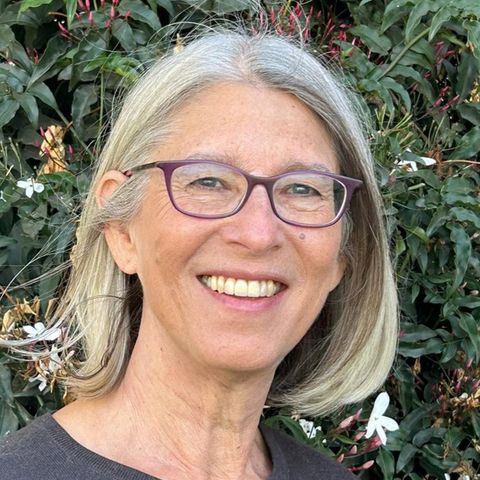
As a writer, Abbie Rosner closely follows research on psychedelics – including psychedelic-assisted therapy for end-of-life distress, expanding areas of legal access to psychedelics for “wellness” and spiritual exploration, and the growing role of spiritual leaders in supporting psychedelic experiences. Her new book, Psychedelics and the Counterculture of Aging explores how older adults are using psychedelics to reimagine aging.
https://www.seniorcareauthority.com/resources/boomers-today
TRANSCRIPT
You’re listening to Boomers Today with your host Frank Samson. Well, welcome to Boomers Today. I’m your host, Frank Samson. Of course, each week we’re bringing important and very useful information on issue stacy, baby boomers, their parents and other loved ones.
And as I do on every one of our podcasts, I thank all of you, and I thank all of you because our listeners keep growing each and every day, and it’s because of you sharing our entire show or individual podcasts with friends and family. We appreciate it and I thank you for that. Many of you listen on Apple Podcasts, Spotify, iHeartRadio, Audible, or you could just ask Alexa or Siri to take you to Boomers Today, or many of you go to our website at Boomers todayradio dot com. Thank you all, And I know why you share our show or individual podcasts with friends and family is because we have wonderful guests, very knowledgeable and I’m not going to disappoint you.
Today. We have with us Abby Rosner. Abby as a writer, Abby closely follows research on psychedelics, including psychedelic assistant therapy for end of life distress, expanding areas of legal access to psychedelics for wellness and spiritual exploration, and the growing role of spiritual leaders in supporting psychedelic experiences. Her new book, Psychedelics and the Counterculture of Aging explores how older adults are using psychedelics to reimagine aging.
So, Abby, thank you so much for joining us on Boomers today. I really appreciate it. Thanks Frank for having me. Yeah, I’m excited about this subject matter.
So I’m going to just start out with the real basics with you, Abby, if that’s okay, Sure, How do you define psychedelics? I mean, everybody’s heard of them. I’m sure most of our listeners know what they are, but not everybody does. So maybe explain what they are and maybe even provide some examples. Okay, well, thanks for that.
So I think for the boomer listeners out there, I think many of us like me, who grew up and came of age in the sixties and the seventies, we remember psychedelics as being part of the scene, and we’re thinking about LSD and maybe magic mushrooms. And this was the time of the War on drugs, so there was a lot of propaganda about what are essentially very powerful medicines and what a psychedelic does in general, pretty much across the spectrum of psychedelic drugs is they bring about a very profoundly altered state of consciousness for a very for a limited time. And so during that during that altered state, you might have insights about about your life or insights about uh more spiritual things. But the the it’s like an opening.
And I think that it’s helpful for us in the West to understand that psychedelics or the mushrooms, the the cacti, the the different plants that that are psychedelic that bring about these you know, these very profoundly altered states have been used in various indigenous cultures for you know, for millennia, and they use they’re used by healers, by shamans to basically pull back the veil so that you can they can communicate with this spirit world and communicate with the ancestors for healing, for wisdom, for guidance. And so for us in the West, it’s a little you know, it’s kind of a stretch to think about accessing the spirit world. But for a lot of people, when they approach these very powerful medicines in an intentional and meaningful and reverential, respectful way they actually do. They can be a very effective way to access wisdom, to access spiritual openings.
And for me, one of the insights that I’ve had in exploring psychedelics in older life is that I find that the openings that they create you’re if you’re using these medicines intentionally and responsibly, is that they can be very helpful in approaching the the issues that we face in older life, you know, the larger questions that come to us as we enter older age, you know, the big questions, the you know, who am I? What’s the meaning of life? How am I going to face my my ultimate demise? Things like that. So that’s that’s really kind of a background about psychedelics. And and just to mention, you asked about the different kinds used to be back in that day, LSD was a very popular psychedelic. These days, it’s psilocybin, which is the psychedelic compound in magic mushrooms that’s really probably the most it’s the most popularly pop popularly used of all the psychedelics, and certainly for older adults, it’s it’s it’s the most commonly used.
Got it so heby? So, how did you become interested in psychedelics later in life, or maybe have you been interested in your whole life. Well, well, so here’s the thing I grew les. I mentioned. I grew up in the seventies and there was just a lot of drugs around.
We smoked pot, we dropped acid. Those were that was part of my youth, the youth culture that I experienced growing up in Washington, d C. And then when I was in my twenties and I got married and I had children, and I, you know, I put all that aside. That chapter of my life ended.
No more drugs, no more any of that. And then when and that was basically for thirty something years. And then when I was in my fifties and I was getting divorced and my children were grown, and I made a new friend and she had cannabis and I had smoked pot for you know, for decades, and I found that the experience was very different in older age, that I was much more mature that you know, all the therapy that I’d done. I also had a long time meditation practice, so all those things really grounded me in my you know, as I entered into an altered state and made the experience much more meaningful.
And you know, I’d even use the words sacred because I believe these these plant medicines are like the indigenous people consider them to be sacred. So when I then, when I turned sixty, I got Michael Pollan’s book How to Change Your Mind as a gift to birthday present, and that in that book they talked about the clinical trials of terminal cancer patients who were being given psilocybin assisted therapy to deal with the existential dread, the depression, the anxiety that they were experiencing, and this course of therapy with these with psilocybin was so effective and so profound that the people who were you know, who had been previously just paralyzed with anxiety, were now just like kind of oh, well, well you know this. You know, death is just the way of the world, and you know, love is all and really I love my family so much and I’m just going to enjoy the life that I have. And so I thought to myself, well, isn’t that an amazing thing to have the you know, this most primal of our fears, the fear of death, be so you know, so effectively addressed.
And so that’s when I started to think, well, you know, life itself is a terminal condition. So you know, if if you can have this kind of really transformational experience, why wait until you’re at death’s door to have it, you know, like, why not move it up and let it, Let it influence the way that you experience older age and not just how you die. So that was that was really that that kind of was kind of the aha moment that led to my writing this book for specifically for older adults, for basically for aging baby boomers, to really re evaluate or reconsider what they once knew about what psychedelics are and to see them in a new light. Yeah, and we’re going to talk about your book a little more and in just a few minutes.
But how is that maybe where the scientific understanding of psychedelics changed over let’s say the past decade or so. Well, I think I would go back to the nineteen nineties when there was basically a new wave of psychedelic research that started started. And I can just say that this is research that’s going on at Johns Hopkins at NYUS. These are some of the world’s leading research institutions, and so they’ve really been exploring how these medicines can be used for a variety of mental health issues, depression, PTSD, anxiety, a whole variety of mental health concerns.
So there’s two things that are coming out of the research. One is that we’re seeing the effect of these medicines when you’re they’re used safely and intentionally for treating of a wide variety of mental health concerns that have not to date been that the medical system has not really been able to deal with very successfully. So that’s that’s one aspect of it. And I think in the very near future we’re going to we’re going to see the first psychedelic drugs getting FDA approval, so they’re they’re very close to several there’s several drug candidates right now that are very close to approval.
So that’s one aspect. But really I think the most important thing for certainly for listeners to understand is that because of hundreds of clinical trials, I mean literally hundreds, we now have we now understand how to use psychedelic medicines safely, intentionally, with meaningful outcomes and reducing the risks of harm. So that’s what that’s the legacy of all the clinical research. So we now you know, it’s if you think about once upon a time people would just like take a psychedelic and go to a concert or go to a party.
This is where there’s a different model now that we’re looking at all these years later, which is is almost it’s you create a therapeutic a safe and secure therapeutic space to have this, to have a psychedelic experience. And that’s really what we’ve learned from the from the trial, how to create a safe what we call set and setting. So would this let’s say this there is approval by FDA and people are better educated on it. You know, is this going to be managed by a doctor or how will this? You know, some people thinking, well, you know, it’s probably addictive.
I don’t want to get into this. It’s going to be addictive. I mean, how is it going to be managed? Okay, Well, first I just want to say that psychedelcs are not addictive, so there’s no there’s no concern about that. But I mean there are valid health concerns.
And one of the things that whatever direction or whatever venue or whatever way that you’re going to, anybody would approach a psychedelic experience, whether with a physician or with a licensed facilitator. They’re going to undergo a process of screening to make sure that their mental health, their physical health, the medications that they take are compatible with the kind of psychedelic experience that they want to have. So that’s that’s certainly when when psychedelics become legal, that will be a part of the process, the screening. But there’s there are other ways that people are older adults are accessing psychedelics experiences, and some of them are illegal, and I really don’t need to talk about that, but there are legal opportunities now for older adults who are interested in having a psychedelic experience and they don’t know how to go about it.
So both Colorado and Oregon, those two states have legalized psilocybin and they’ve created programs where you can go and have a legal psilocybin experience in a state regulated facility with a licensed facilitator who will do all the screening and all the preparation and everything to make sure that a journey is undertaken safely, and that will help you integrate the experience afterwards, and all that is above ground and so for that’s what I explain in my book, and I always explain to older adults who are curious. It’s it’s like Oregon and Colorado. The opportunities in both of those states are really, I think a very recommended entry point for older adults who who don’t want to break the law, who want to be secure and want want to have one of these an experience like this, are curious about it, but they want to make sure that they’re that they’re doing it safely and responsibility. In that Colorado and Oregon, as you had mentioned, and I’m sure there’s gonna be other states following.
But is it a group setting or individual or. Well, there’s there are both individual and group settings. Gotcha? Okay, good, good. So we’re gonna we’re going to take a quick break.
I promise just to recognize our sponsor and we come back. We’ll give you the opportunity to tell everybody about your great book and how they can get it. And I want to concentrate them more on the old adults and even people maybe with dementia. I’d like to talk to you about that as well.
So okay, all right, that’s great, thank you. All right, So do you know anyone who may be concerned about an older driver? Well, Senior care Authorities. Beyond Driving with Dignity program is a facilitated self assessment program for older drivers. This program has been designed to serve as a vital tool to facilitate older drivers and their families is they make appropriate decisions regarding the future of one safe driving career.
If the individual is a safe driver, an advisor will provide him or her with strategies and how to remain a safe driver as they progress through the aging process. If driving retirement is the appropriate decision, then the individual and their family are offered possible alternatives, resources and a specific plan to ensure a smooth and successful transition from the driver’s seat to the passenger seat. So to learn more, go to www dot Beyond Driving with Dignity dot com and you can then connect with a Senior Care authority advisor in your area. We’re back with Abby Rosner, who’s the author of Psychedelics and the Countercultural of Aging, and we’re learning a whole lot about psychedelics.
So so, Abby, it’s commercial time. Tell us about your book, who it’s targeting, who you’re targeting, and and uh, how people can get it. Okay, thanks so much so, my book Psychedelics and the Counterculture of Aging is really the first book to come out that that examines not just the phenomenon of of of doing psychedelics in older life, but actually zooms out and looks at the the bigger picture of older adults all over the country who are seeking out these experienceperiences. They’ve read Michael Polland’s book How to Change Their Mind, How to Change Your Mind, They’ve heard from friends and family members, their kids, their relatives about psychedelic experiences that they’ve had.
And what I discovered as I was writing the book is that there’s this whole growing interest in this field. And so my book is really the first not only to document that emerging phenomena of older adults looking at psychedelics, but also to explore what do these experiences offer us that are unique in older life. And you know, Michael Polland very famously said psychedelics are wasted on the young, and I have to agree that it seems to me that we are ideally suited in older life, grounded in maturity and grounded in life experience, and more responsible. We’re more we’re more less inclined to take risks.
And so with all of that, as we face the challenges of older age. Psych intentional psychedelic exploration can be a powerful ally. So my book can be found. You can find it on Amazon dot com or you can go to my website www dot Abby Rosner dot com and there’s information about the book and about me and my interests, and I welcome you to check it out and reach out to me if you have interesting stories that you’d like to share.
Great. Great, So Michael Polin just stole my first my opening question here to you, but I’m going to ask it anyway so you get in a little more detail. Okay, My question was how might older adults benefit differently than younger people with psychedelics. Well, so, there was an interesting study that happened recently where they get questionnaires to a bunch of older adults who were going to do a psychedelic retreat ceremony, and they asked them they give them a questionnaire before, and then they gave them a questionnaire afterwards, and then they looked to see what precipitated the changes in well being in all of the participants.
And they divided them into groups people above sixty and under sixty. So the under sixty people the strength of their psychedelic experience. The powerfulness of the actual psychedelic experience was what indicated if there was going to be an improvement in their well being. Now for the older adults, for the people over sixty, it was actually the sense of community that was the greater predictor of well being.
And this is one of the points that I bring up in my book and I’d like to emphasize now, which is that these experiences, when you do them in groups in ceremony, like they’ve been done throughout history, they create a wonderful opening for community. Everybody is you go through something powerful together, you’re vulnerable, you share, you’ve been you’ve your heart has been opened, and it creates a beautiful community. And I think that that for older adults is one of the more important aspects of improving our quality of life. So that’s that’s one of the aspects.
But then of course there’s others. There’s healing of our psychees. You know, a lot of people are carrying around trauma, pain, things that they’ve been dealing with for decades. And when you get to be sixty or seventy and you say enough, I don’t want to carry this burden around with me any longer, like now or never.
So if these these kind of things, this this kind of feeling that like this is now really the time that I want to do some real serious work on myself. I want to understand myself better. I want to see if I can heal my issues, if I can if I can get a greater understanding of what’s what’s the meaning of life. All of those things are are supported with engaging with these what I call sacred medicines.
Yeah, that’s great. Great. So you know an area that we spoke before we started the interview and told you a lot of things that I’m involved with in the in my company with older adults and deal a lot with people who are having cognitive decline, various forms of dimension like Alzheimer’s, et cetera. So you know, any studies that have been done looking at psychedelics with people with cognitive decline or there is for well dimension, so.
The study there there have been studies, but more the more the focus of using psychedelics for cognitive decline or cognitive issues is really to deal with the attending depression that goes along with it. If they’re not for they’re not about curing or reversing or any of those things. It’s really about about the improving the mood. Now that said, they’re just recently in the last few weeks, a couple of weeks ago, there was a really explosive study that came out was published a case in Brazil of a a woman in her eighties who had severe Alzheimer’s and severe dementia.
And I hesitate to even repeat this because it’s been contested a lot, but there it did. If people might have seen in the in the news, there was a case of an older woman who was given psilocybin and supposedly, according to what they reported, had you know, a very she suddenly became much more responsive. But but that that study has been really contested, so I don’t know. I think that I think the jury’s out, certainly out at this point.
I wouldn’t recommend it, let’s put it that way. A lot more to learn, if anything, maybe be helpful to you. Like you say, the stress or anxiety, right, that’s that’s maybe people who are even in their early stage that they’re quite aware right there that they’re they have the disease, but maybe early in the early. On and and also for their caregivers exactly.
And for the caregivers, it just it what happens with these medicines. It just shifts the lens. It allows you to look at your situation through a different lens, in a different light. It expands your understanding of a situation and can give you new insights.
And that’s the value of these experiences. And certainly for older adults. You know, we tend to be a little fixed in our way, We put a little rigid in our thoughts, and these experiences really allow us to step out of that, you know, the the ridges of our habitual thought, to see life with different perspectives. So Abby, I know you touched upon this briefly a little earlier, but maybe we can do a little more detail as far as maybe safety concerns of older adults as they as they start to explore psychedelics.
Well, you know, I did mention and I can. I always emphasize due diligence. You have to do the learning. You have to investigate, talk to the healthcare provider, talk to professionals who can evaluate if you are indeed a good candidate for these kind of experiences, if you have heart condition, or if you’re taking SSRIs, or if you’re taking another kind of medication, you just have to have all of those things evaluated beforehand.
Now, I just want to address for the boomers out there that are concerned about the bad trip. The bad trip can happen if you’re not in a safe and secure environment. If you drop act and go out into the street, the chances are it’s not going to be a safe and pleasant experience. But if you create a safe container where you are mentally prepared for what you’re going into, you’re supported by a trained facilitator, you’re in a setting that’s secure, where you’re not going to be bothered, where nobody’s going to interrupt you, where you’re really prepared and supported so that you can dive deep into this experience of being in an altered state.
The chances that things are going to go south are pretty well mitigated at that point. Gotcha. Gotcha? Great? So I’ve learned a lot. Thank you.
I mean, we’re unfortunately we’re kind of running out of time, so I’m gonna I’m gonna hit you with one last question here, you know, the one thing. Uh And I had one one person I interviewed some time ago that emailed me afterwards that they, you know, really enjoyed it. But God, I wish I wish you would have asked me this. So I decided to end that question with everybody.
Now, So is there a question that maybe you wished I would have asked you? And if so, what is it? And I’ll let you comment on it. Well, I think that I, I guess I would. The question that I would like you to ask is what what do boom? What should the cohort of baby boomers really what’s the challenge for them when they think about psychedelics today? And I think I would answer by saying that it’s really time to refresh your memory and to reconsider what you’ve known about everything that you’ve heard and understood, and we’re told about psychedelics to reconsider them. And I would recommend reading Michael Pollan’s excellent book about psychedelics called How to Change Your Mind.
There’s also a Netflix documentary about it, and if you’re really curious, I encourage you to read my book. And the final thing that I’ll say is that psychedelics are not for everyone, if you’re not called to it, if you’re not curious about it. About expanded states of consciousness or looking at life through another lens. It’s not for you.
So it’s only for those people that are really have a health what i’d say, a healthy curiosity. So that’s I guess that’s really the point that I’d like to make. So thank you, thank you Frank for that last question. Great well, thank you, thank you so much for joining us.
I really appreciate it. Check out Yabby’s books, Psychedelics and the Counterculture of Asia. Baby Abby, thank you so much for joining us. Thank you, Please be safe.
Talk to everybody next week. You’ve been listening to Boomers Today with Frank Sampson. To learn more about today’s show, visit Boomerstoday radio dot com and join us next time for another edition of Boomers Today.