
Falls are one of the leading causes of injury among older adults, often leading to hospitalizations, loss of independence, and a decline in overall health. Fortunately, many falls can be prevented with proactive steps and awareness. Here are some practical ways seniors and their caregivers can minimize the risk of falls and maintain mobility and confidence.
1. Keep the Home Safe and Accessible
Creating a Safe Living Environment
A senior’s living environment plays a crucial role in fall prevention. Making the home safer can significantly reduce the likelihood of accidents. Consider these helpful tips:
- Remove clutter and tripping hazards such as loose rugs, cords, and small furniture.
- Install grab bars in bathrooms near the toilet and shower.
- Ensure stairways have secure railings on both sides.
- Improve lighting by adding brighter bulbs and nightlights in hallways and bathrooms.
- Use non-slip mats in areas prone to moisture, such as bathrooms and kitchens.
2. Stay Physically Active
Importance of Regular Exercise
Regular exercise is key to maintaining strength, balance, and coordination, which can help prevent falls. Low-impact activities like walking, Tai Chi, and chair exercises can enhance mobility and reduce stress. Strength training exercises can also improve muscle tone, particularly in the legs, thus helping to develop balance.
3. Wear Proper Footwear
Choosing the Right Footwear
The right footwear can make a significant difference in preventing falls. Seniors should opt for:
- Shoes with non-slip soles and proper arch support.
- Avoiding slippers without backs or high-heeled shoes.
- Ensuring shoes fit well and are comfortable for daily use.
4. Manage Medications Wisely
Managing Medications Wisely
Certain medications can cause dizziness, drowsiness, or low blood pressure, increasing the risk of falls. Seniors should:
- Regularly review their medications with a doctor or pharmacist.
- Be mindful of side effects that may affect balance.
- Avoid mixing medications with alcohol, which can further impair coordination.
5. Schedule Regular Vision and Hearing Checkups
Regular Vision and Hearing Checks
Impaired vision or hearing can lead to falls by reducing awareness of obstacles and surroundings. Routine eye exams ensure seniors have up-to-date prescriptions, while hearing tests can help detect issues that my affect balance and spatial awareness.
6. Use Assistive Devices When Needed
Using Assistive Devices for Stability
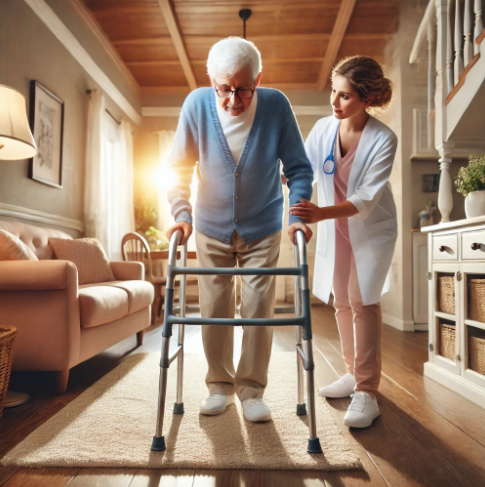
If mobility is a concern, using assistive devices can provide additional stability and confidence. Canes, walkers, and grab bars are useful tools for those who need extra support. Ensuring these devices are properly adjusted and used correctly is essential for their effectiveness.
7. Stay Hydrated and Main Good Nutrition
Maintaining Hydration and Nutrition
Dehydration and poor nutrition can lead to weakness, dizziness, and fainting, increasing the risk of falls. Seniors should:
- Drink plenty of water throughout the day.
- Eat a well-balanced diet rich in calcium and vitamin D to support bone health.
- Avoid skipping meals, as low blood sugar can lead to lightheadedness.
Comprehensive Fall Prevention Strategies
Preventing falls requires a combination of environmental adjustments, physical activity, and regular health monitoring. By taking these proactive steps, seniors can maintain their independence and quality of life while reducing the risk of serious injuries. Caregivers and family members should also play a role in creating a safe and supportive environment, ensuring that their loved ones stay safe and confident in their daily activities.
Key Takeaways
- Assess and modify the home environment to eliminate tripping hazards.
- Encourage participation in low-impact exercises to improve balance and strength.
- Select footwear that provides good support and has non-slip soles.
- Review medications with a healthcare provider to identify potential fall risks.
- Schedule regular check-ups for vision and hearing to maintain awareness of surroundings.